Skip to content
JOE MURILLOIntelligent Risk Engineering

Insurance × Agentic AI × Cybersecurity × Physical AI

Engineering
the future of risk.

Joe Murillo / Insurance • Risk Engineering • Intelligent Systems

My work spans insurance business development and loss control. I bring that field perspective to projects in agentic AI, cybersecurity, and physical AI.

INDEPENDENT ENGINEERING / PUBLIC EVIDENCEEngineer Risk. Build Resilience. Create the Future.

01 / Intelligent Risk Engineering

Mission Control

Four connected disciplines. One evidence-led approach.

Risk / Engineering focus

Understand the exposure

Field observation, source validation, and accountable loss-control reasoning.

02 / Intelligent Risk Engineering

Project Dossiers

Inspect scope, source material, limitations, and the next verifiable step.

DOSSIER / 02Frontend prototype

XORIS

Commercial growth intelligence positioning for construction, building materials, manufacturing, and distribution.

Open dossier →
DOSSIER / 03Research concept

SENTINEL

A proposed governance and oversight layer connecting authorization, review, and accountable decisions.

Open dossier →
DOSSIER / 04Demonstration

PCAP Triage

A network-forensics learning workflow extracting DNS, TLS SNI, and protocol statistics for analyst review.

Open dossier →

03 / Intelligent Risk Engineering

Now Building

Curated public repositories. Scope comes from reviewed documentation; GitHub remains the source of current activity.

GitHub metadata snapshot observed 2026-10-16; manually reviewed before inclusion. Repository push dates do not establish shipped features. Open GitHub for current activity.

04 / Intelligent Risk Engineering

Risk Graph

An interactive conceptual model, not a live risk score. Select a discipline to inspect its relationships.

Insurance / Conceptual relationships

Frame the exposure

Translate an observation into questions about exposure, uncertainty, controls, and accountable decisions.

  • Insurance ↔ Agentic AIDomain questions guide the analysis; generated assessments still require professional review.
  • Insurance ↔ CybersecurityDigital dependencies introduce exposure and resilience questions alongside physical hazards.
  • Insurance ↔ Physical AIField observations can inform an exposure hypothesis when context and provenance are preserved.

Conceptual relationships only. No scoring engine, live integration, or causal model is claimed.

05 / Intelligent Risk Engineering

Intelligence Ledger

Public milestones with explicit provenance. These entries describe this catalog’s evidence review, not private operational events.

  1. Source audit

    Source review corrects the Azure briefing claim

    Downgraded the public description from export-first MVP to static report scaffold after inspecting the script. Recorded the README/code mismatch and future ingestion work.

    Read the evidence boundary →
  2. Evidence review

    ARIS governance documentation reviewed

    Recorded public lifecycle, authorization, and persistence contracts with their limitations. This is a documentation review, not an execution test.

    Read the evidence boundary →
  3. Evidence review

    XORIS scope bounded to public implementation

    Separated the existing landing-page prototype from future intelligence-engine ambitions.

    Read the evidence boundary →
  4. Evidence review

    Cyber projects added to the evidence catalog

    Cataloged public forensic and security-briefing workflows; retained explicit analyst-review boundaries.

    Read the evidence boundary →

06 / Intelligent Risk Engineering

The Lab

From network evidence to physical observations. Experiments are separated from demonstrated capability.

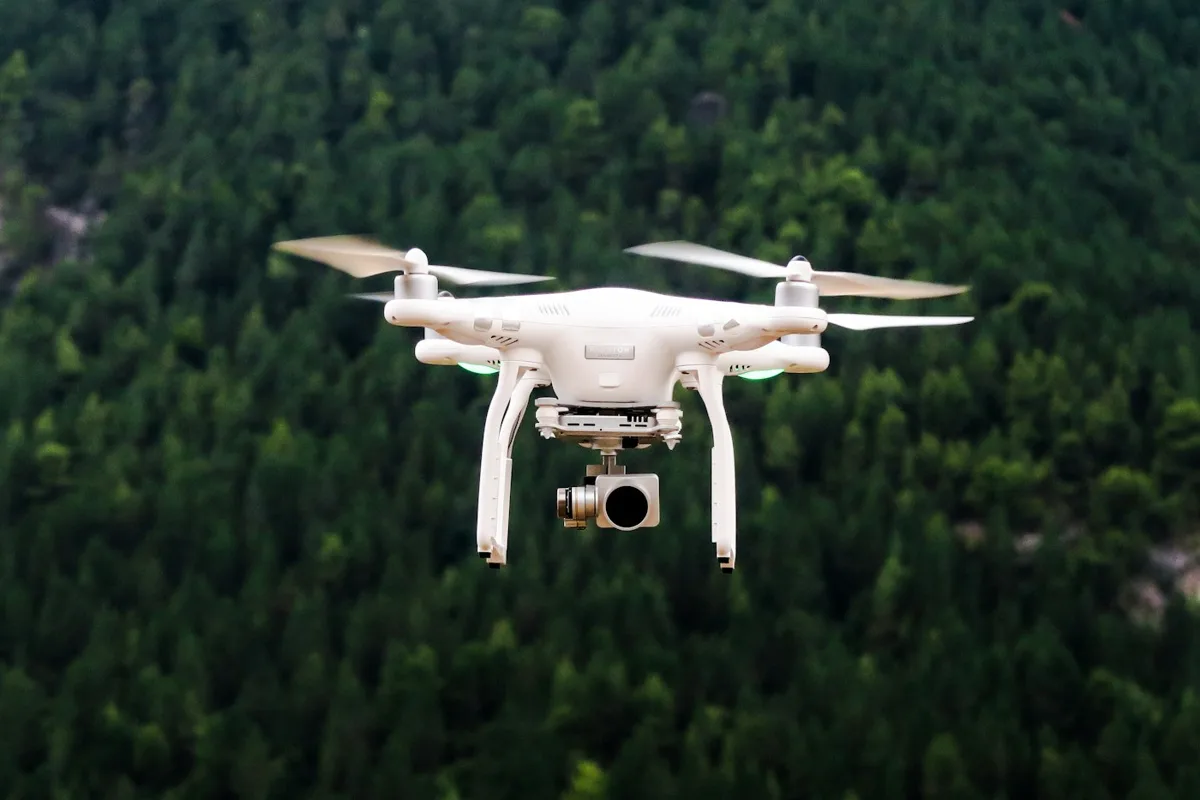
Editorial photograph of a camera drone in flight
Physical intelligence begins with an observation.Editorial imagery / No Joe Murillo flight or deployment is depicted.
Research direction

Hardware & networking

Workstation and network experiments; no public inventory or validated benchmark is claimed.

Public demonstration

Cyber range

PCAP triage documents evidence extraction and analyst reporting.

Active development

AI systems

ARIS documents governed agent workflows with local authorization boundaries.

Research direction

Physical AI

Drones, sensors, and computer vision for inspection evidence; no operational flight or model is demonstrated.

Interactive demonstration / Synthetic data

The physical risk evidence loop

Work through a fictional field observation. The review gate must be acknowledged before recording a synthetic outcome.

  1. 01 / Capture
  2. 02 / Validate
  3. 03 / Assess
  4. 04 / Approve
  5. 05 / Record
Stage 1 / 5

Capture

Fictional observation: dust accumulation near a woodworking station. Record time, location, and equipment context.

07 / Intelligent Risk Engineering

Field Notes

Engineering perspectives on evidence, authority, and real-world risk.

08 / Intelligent Risk Engineering

JOE//INTELLIGENCE

Explore the reviewed public knowledge base with source citations.

Public knowledge / Local retrieval

Ask about the work.

Answers are retrieved from the approved catalog. This preview uses deterministic retrieval, not a generative model. Your question stays in this browser; nothing is sent to an AI provider.

Answers and approved citations appear here. No account, upload, or operational access is required.